Analysis & Context
Early prenatal care improves the chances of having a healthy pregnancy and baby Early prenatal care, considered best for moms and babies, is on the decline in the US. Stay informed with the latest developments and expert analysis on this important story.
Early prenatal care improves the chances of having a healthy pregnancy and baby
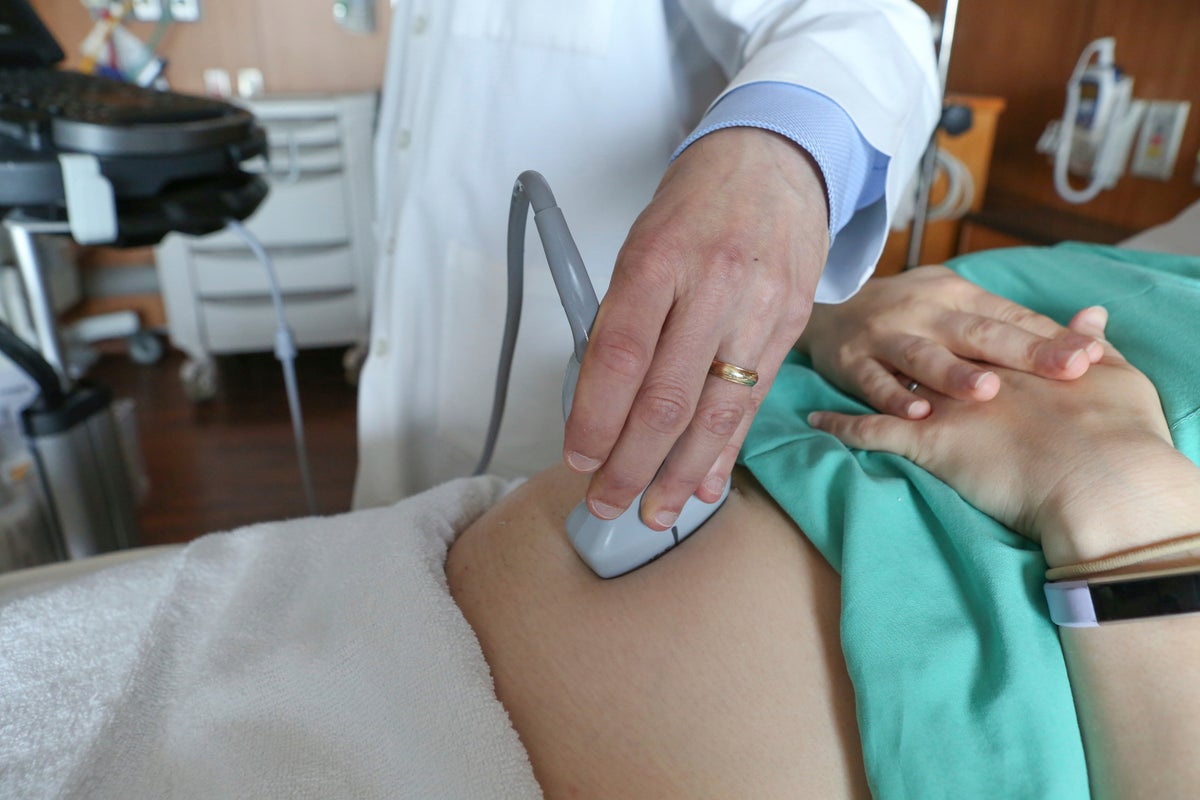
NewsEarly prenatal care, considered best for moms and babies, is on the decline in the USEarly prenatal care improves the chances of having a healthy pregnancy and babyLaura Ungar Thursday 19 February 2026 05:03 GMTBookmarkBookmark popoverRemoved from bookmarksClose popoverPrenatal Care (Copyright 2018 The Associated Press. All rights reserved.)Your support helps us to tell the storyRead moreSupport NowFrom reproductive rights to climate change to Big Tech, The Independent is on the ground when the story is developing. Whether it's investigating the financials of Elon Musk's pro-Trump PAC or producing our latest documentary, 'The A Word', which shines a light on the American women fighting for reproductive rights, we know how important it is to parse out the facts from the messaging.At such a critical moment in US history, we need reporters on the ground. Your donation allows us to keep sending journalists to speak to both sides of the story.The Independent is trusted by Americans across the entire political spectrum. And unlike many other quality news outlets, we choose not to lock Americans out of our reporting and analysis with paywalls. We believe quality journalism should be available to everyone, paid for by those who can afford it.Your support makes all the difference.Read moreEarly prenatal care improves the chances of having a healthy pregnancy and baby. But a new federal report shows it’s been on the decline.The share of U.S. births to women who began prenatal care in the first trimester dropped from 78.3% in 2021 to 75.5% in 2024, according to data released by the Centers for Disease Control and Prevention on Thursday.Meanwhile, starting care later in pregnancy or getting no care at all has been on the rise. Prenatal care beginning in the second trimester rose from 15.4% to 17.3%, and starting care in the third trimester or getting no care went from 6.3% to 7.3%.“We know that early engagement in prenatal care is linked to better overall health outcomes,” said Dr. Clayton Alfonso, an OB-GYN at Duke University in North Carolina. When patients delay medical care during pregnancy, “we’ve missed that window to optimize both fetal and maternal care.”While the trend identified in the report held for nearly all racial and ethnic groups, the decrease in early prenatal care was higher for moms in minority groups. For example, first-trimester care dropped from 69.7% in 2021 to 65.1% in 2024 for Black mothers. Getting late or no prenatal care raises the risk of maternal mortality, which is much higher among Black mothers.Michelle Osterman, lead author of the report, said the overall findings represent a shift. Between 2016 and 2021, the timing of when U.S. women started prenatal care had been improving.The earlier prenatal visits begin, doctors said, the earlier problems can be caught. Visits give doctors a chance to share health guidance, and can include blood pressure checks, screenings, blood tests, physical exams and ultrasound scans.The report doesn't provide reasons why prenatal care is starting later. But the proliferation of maternity care deserts across the nation is a growing concern, said Dr. Grace Ferguson, an OB-GYN in Pittsburgh. Many hospitals have shut down labor and delivery units “and the prenatal care providers that work at those hospitals also have probably moved,” said Ferguson, who was not involved with the report. A 2024 March of Dimes report found that more than 35% of U.S. counties are maternity care deserts, meaning there’s no birthing facility or obstetric provider. Women living in these areas receive less prenatal care, the report showed.Ferguson, who provides abortions as part of her OB-GYN care, said post-Roe v. Wade abortion restrictions may play a part because some obstetricians are choosing not to practice in states with more restrictive laws.Alfonso, who was not involved in the CDC report, said he also suspects that access issues for patients are pushing prenatal care later, particularly in rural areas. Patients may have to travel farther to get to appointments and may struggle to find a practice that accepts their insurance, particularly if they have Medicaid.Doctors fear that things could get worse. “If this trend continues,” Alfonso said, “I worry about kind of what that would mean for morbidity and mortality for our moms.”___The Associated Press Health and Science Department receives support from the Howard Hughes Medical Institute’s Department of Science Education and the Robert Wood Johnson Foundation. The AP is solely responsible for all content.More aboutPatientsCenters for Disease Control and PreventionBlackNorth CarolinaDuke UniversityPittsburghMedicaidMost popularPopular videosBulletinRead next