How the climate crisis threatens our food — and the people that grow it
February 20, 2026 at 06:00 AM
By Nick Ferris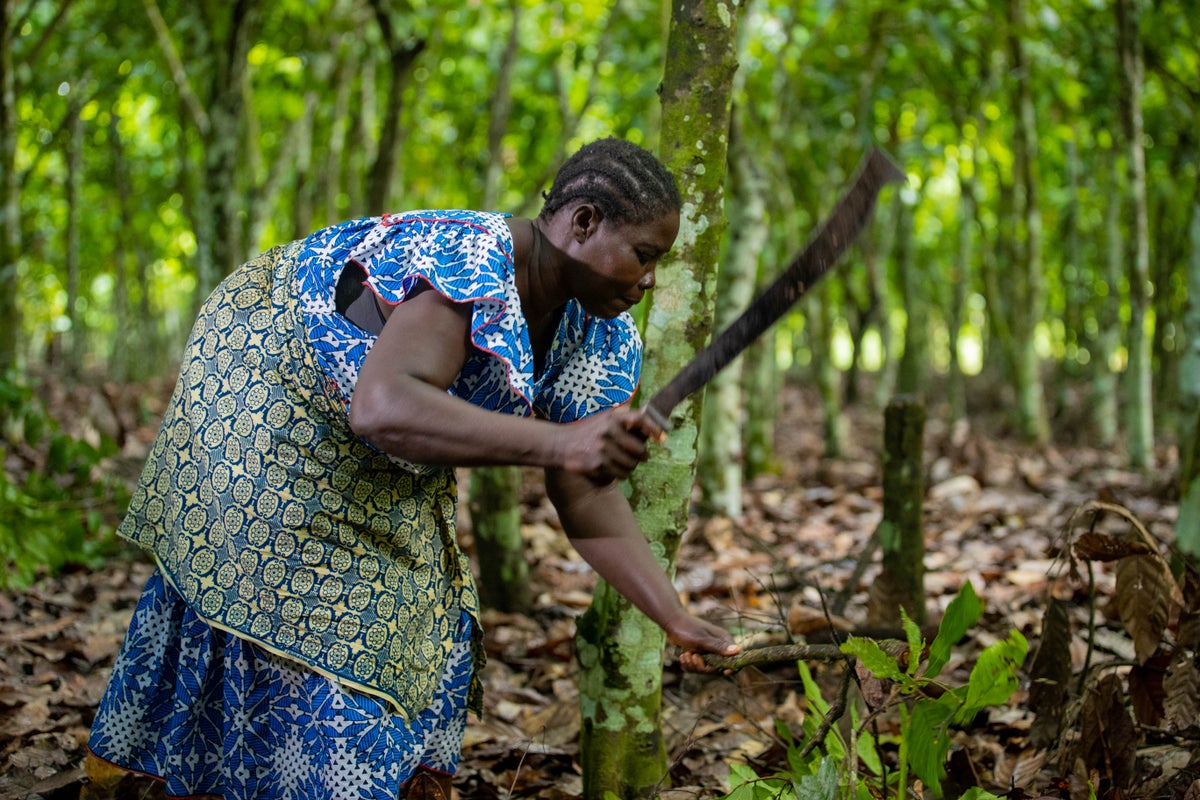
Data shows why NGOs, politicians, and businesses are urgently calling on the government to introduce legislation that will shore up supply chains as the climate crisis escalates
Data shows why NGOs, politicians, and businesses are urgently calling on the government to introduce legislation that will shore up supply chains as the climate crisis escalates
ClimateANALYSISHow the climate crisis threatens our food — and the people that grow itData shows why NGOs, politicians, and businesses are urgently calling on the government to introduce legislation that will shore up supply chains as the climate crisis escalatesFriday 20 February 2026 06:00 GMTBookmarkCommentsGo to commentsBookmark popoverRemoved from bookmarksClose popoverA cocoa farmer in Cote d’IvoireYour support helps us to tell the storyRead moreSupport NowFrom reproductive rights to climate change to Big Tech, The Independent is on the ground when the story is developing. Whether it's investigating the financials of Elon Musk's pro-Trump PAC or producing our latest documentary, 'The A Word', which shines a light on the American women fighting for reproductive rights, we know how important it is to parse out the facts from the messaging.At such a critical moment in US history, we need reporters on the ground. Your donation allows us to keep sending journalists to speak to both sides of the story.The Independent is trusted by Americans across the entire political spectrum. And unlike many other quality news outlets, we choose not to lock Americans out of our reporting and analysis with paywalls. We believe quality journalism should be available to everyone, paid for by those who can afford it.Your support makes all the difference.Read moreAll across the world, harvests that we have long depended on to provide the foods that we know and love are faltering. Spanish olives, Floridian oranges, Ghanaian cocoa beans and Costa Rican pineapples are among the harvests impacted by climate shocks over the past few years, which have impacted the supplies – and prices – of food on supermarket shelves. This escalating climate risk is one of many reasons why NGOs and ethical investors are campaigning hard for the UK to introduce mandatory checks on the environmental impact and human rights in supply chains, as part of a campaign that is being described as a “once-in-a-decade” opportunity to clean up the UK’s footprint on the world. As things stand, the lack of due diligence law means that there is a lack of clear data on just how many companies are effectively monitoring and responding to risks in supply chains in the UK. But the indicators we do have suggest it is very few, with a recent assessment finding that food and drinks companies scored an average of 15/100 in their labour standards monitoring efforts. Introducing a new supply chain law would mean that measures can be put in place to ensure that the foods we love remain available year-round and at a fair price, according to campaigners. It would also help ensure that the farmers and suppliers at the other end of the chain receive a fair deal, which will in turn allow them to better adapt to the climate crisis. Evidence for why we need bolster up our food systems against the climate threat can be found in the many months of high inflation that the UK has experienced recently, which the Bank of England’s Monetary Policy Committee warned in an August report was at least in part driven by extreme weather around the world pushing up the cost of certain foods. Among the crops pushing up the price was coffee, with data showing prices in commodity markets – including Arabica beans from Brazil and Robusta beans from Vietnam – rising sharply through 2023 and 2024, after unusually hot and dry weather in both countries. These rises were followed by a notable rise in the Consumer Price Inflation (CPI) of coffee in the UK.Data also shows that inflation of beef and dairy products in the UK was also particularly high. Successive years of weather extremes – including summer droughts, unseasonal rainfall, and flooding – reduced pasture productivity and disrupted grazing patterns across much of the UK. Droughts in the Brazilian Amazon and pasture fires in Australia pushed up the price of beef imports from those markets at the same time. Climate extremes also hit dairy outputs, pushing the inflation rate for butter up to 18.9 per cent year-on-year across 2025. Without action, such situations will become more common in the future, experts warn. "These climate-related food price risks could get significantly worse,” says Christian Jaccarini, from the Energy and Climate Intelligence Unit. “We’ve already crossed one climate tipping point – the point of no return for warm water coral reefs – with major implications for fisheries worldwide. And as the government's own recent national security assessment says, every critical global ecosystem is now on ‘a pathway to collapse’”. “This would have would have profound consequences, including water insecurity, reduced crop yields, loss of arable land, fisheries collapse, heightened disease risks, and accelerating climate change,” he adds.For the time being, wealthier countries that supply Britain’s food, like Brazil and Australia, are able to invest in new technologies to hedge against climate risks. “There’s been a lot of progress in farmin
Share:
Original Source:
Read full article at sourceHelp us improve this article. Share your feedback and suggestions.