Analysis & Context
## A New Chapter for India-US Trade: Beyond the Headlines
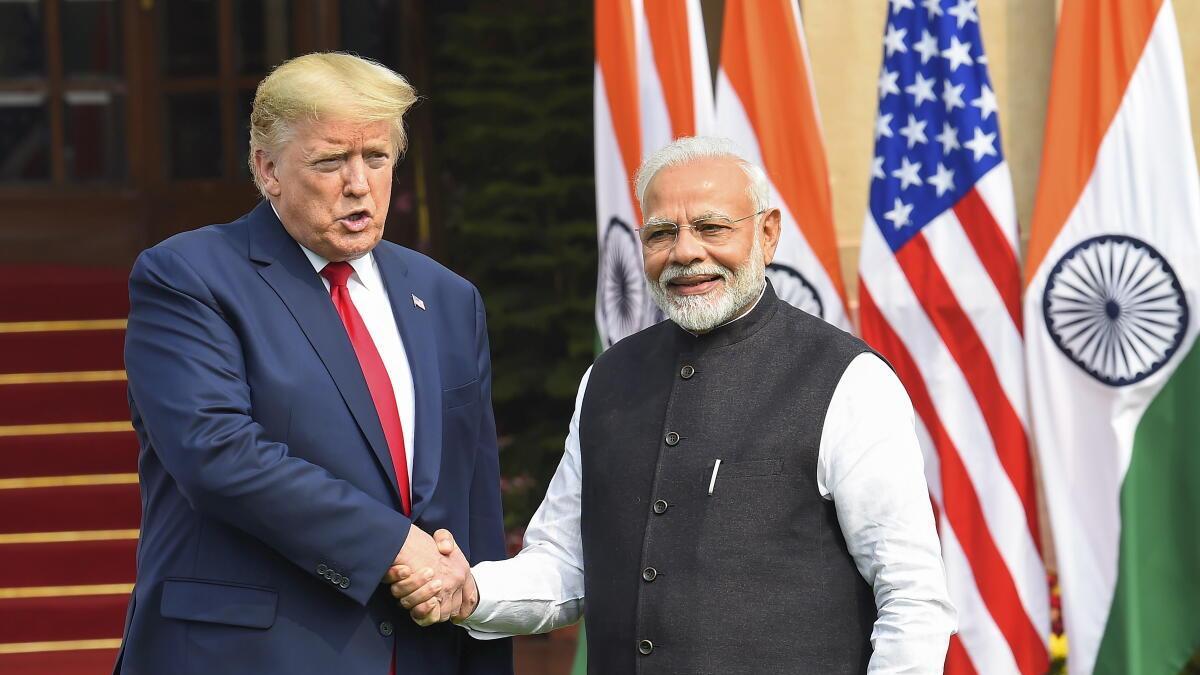
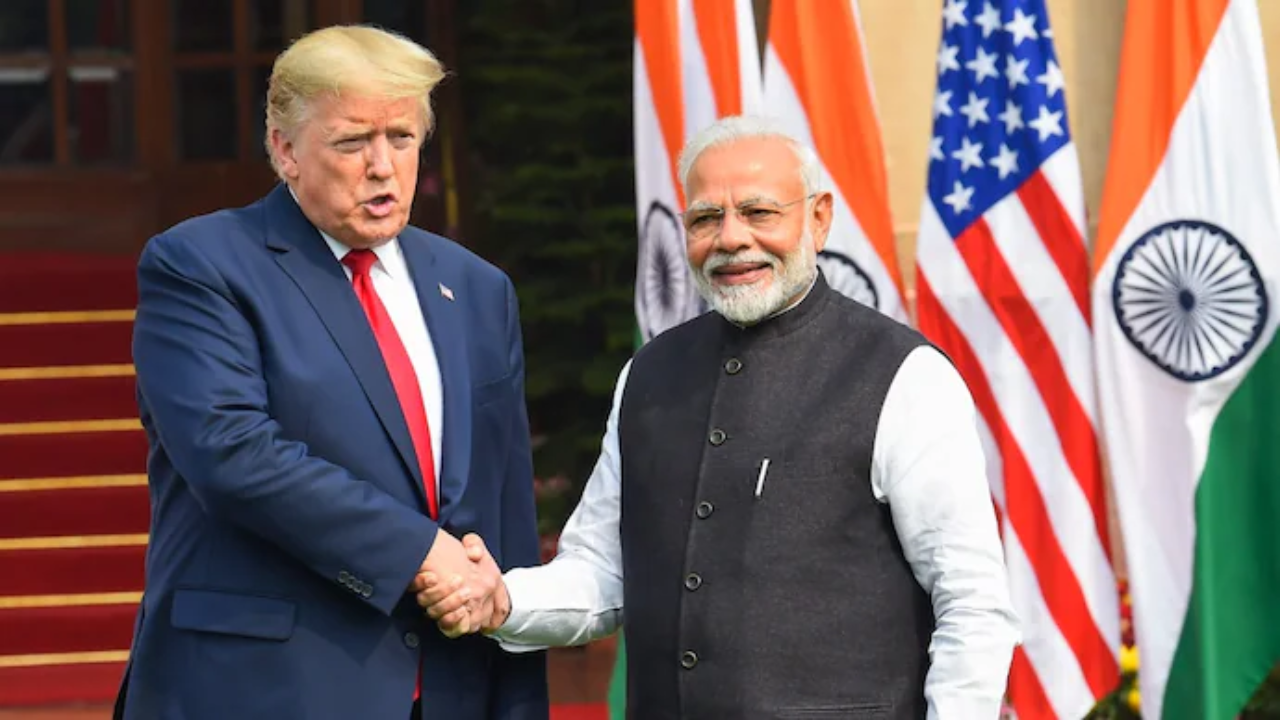
Prime Minister Narendra Modi's recent commendation of a nascent trade agreement with the United States, coupled with his appreciation for then-President Donald Trump, signals a pivotal moment for India's economic ambitions, particularly its flagship 'Make in India' initiative. While the specifics of the deal remain under wraps, the very act of a high-level endorsement suggests a strategic alignment aimed at bolstering domestic manufacturing and fostering a more robust global economic presence for India.
The 'Make in India' program, launched in 2014, seeks to transform the nation into a global manufacturing hub, attracting foreign investment and creating jobs. For years, the initiative has grappled with challenges ranging from infrastructure deficits to bureaucratic hurdles. A trade deal with an economic powerhouse like the United States, however, could inject significant momentum. Such an agreement typically involves reduced tariffs, streamlined regulatory processes, and enhanced market access, all of which are crucial for Indian goods to compete more effectively on the international stage.
From an analytical perspective, the timing of this announcement, made during the Trump administration, is noteworthy. The US under Trump often pursued bilateral trade agreements, prioritizing American interests and seeking to rebalance trade deficits. For India, engaging with this approach presented both opportunities and challenges. While the US market offers immense potential for Indian exports, particularly in sectors like pharmaceuticals, textiles, and IT services, India also had to navigate US demands for greater market access for American products and services, potentially impacting domestic industries.
The "thanks Trump" element in PM Modi's statement underscores the personal diplomacy often involved in such high-stakes negotiations. Building rapport between leaders can be instrumental in overcoming impasses and forging consensus on complex economic issues. This personal touch, however, also highlights the potential for shifts in trade policy with changes in political leadership, a factor that both nations must continually monitor.
Looking forward, the success of this trade understanding will not solely depend on the initial agreement but on its sustained implementation and evolution. For 'Make in India' to truly flourish, the deal must translate into tangible benefits: increased foreign direct investment, technology transfer, and expanded export opportunities for Indian manufacturers. It also necessitates continued reforms within India to improve ease of doing business and enhance manufacturing competitiveness. This agreement, therefore, is not merely a transaction but a potential catalyst for India's long-term economic transformation, intertwining its domestic industrial goals with its global trade aspirations.