Analysis & Context
## India Unveils New Textile Policy, Prioritizing Weaving, Processing, and Technical Textiles
**New Delhi, India** – India has announced a new textile policy, signaling a strategic shift towards strengthening foundational segments of the industry: weaving, processing, and the burgeoning sector of technical textiles. While specific details of the policy are yet to be fully unveiled, the stated focus indicates a clear intent to enhance domestic manufacturing capabilities, improve value addition, and tap into high-growth global markets.
The emphasis on weaving suggests a push to modernize and expand the production of fabrics, moving beyond basic yarn manufacturing to create more finished goods within the country. This could involve incentives for new machinery, skill development programs for weavers, and measures to improve the quality and variety of woven materials.
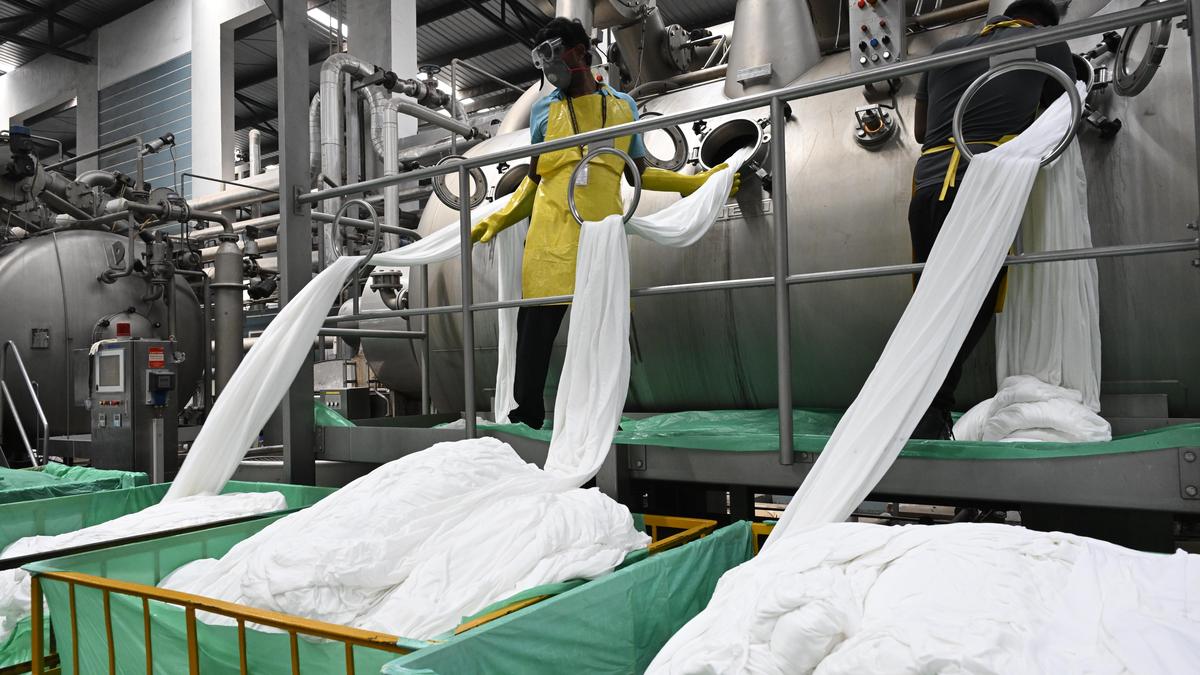
Equally critical is the focus on processing, a segment often plagued by environmental concerns and technological lags. A robust processing sector is essential for dyeing, printing, and finishing textiles to international standards, making Indian products more competitive and appealing to global buyers. The policy is likely to address infrastructure gaps, promote sustainable practices, and encourage investment in advanced processing technologies.
Perhaps the most forward-looking aspect is the inclusion of technical textiles. These specialized fabrics, used in diverse applications from healthcare and automotive to agriculture and defense, represent a high-value, high-growth niche. By prioritizing this sector, the government aims to foster innovation, attract R&D investment, and position India as a key player in a market currently dominated by developed economies. This could involve establishing dedicated manufacturing zones, offering production-linked incentives, and facilitating technology transfer.
Analysts suggest this targeted approach aims to address long-standing vulnerabilities in the Indian textile ecosystem, such as fragmented supply chains and a reliance on imported finished goods. By bolstering these core areas, the policy seeks to create a more integrated, resilient, and globally competitive textile industry, potentially generating significant employment and boosting export revenues. The success of this policy will hinge on its implementation, particularly in providing adequate financial support, technological upgrades, and a conducive regulatory environment for businesses across these critical segments.