Analysis & Context
## A New Chapter in US-India Trade: More Than Just Tariffs
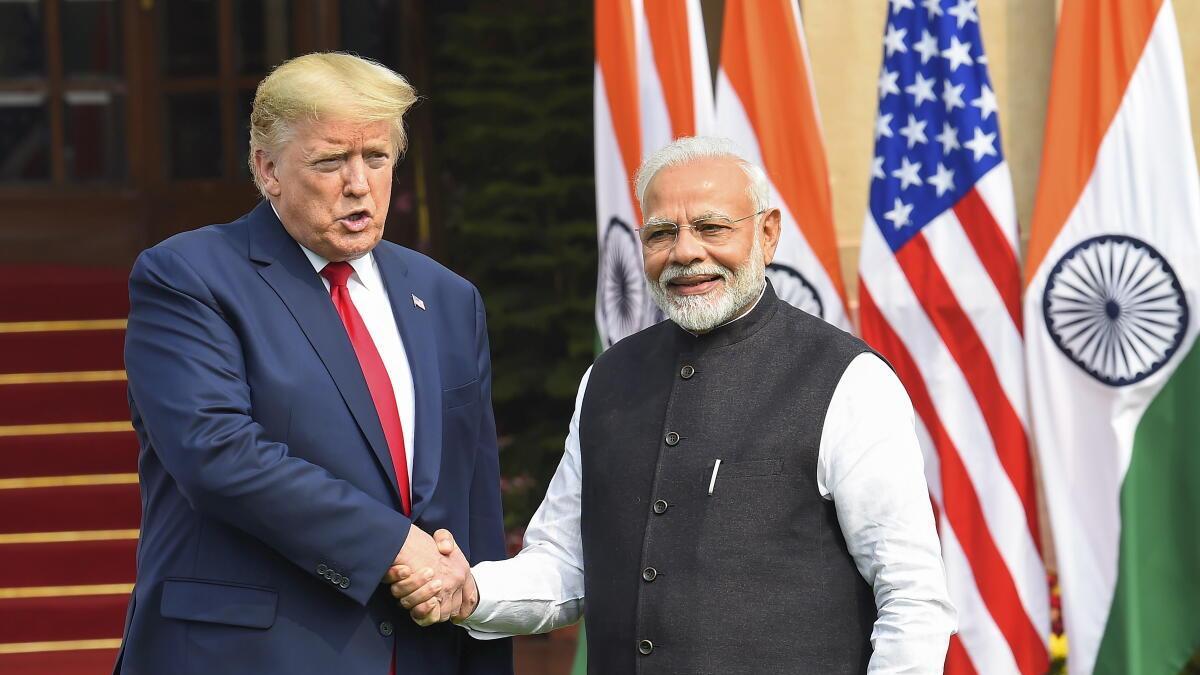
The recent announcement of an interim trade agreement framework between the United States and India marks a significant milestone in their evolving economic partnership. While the headline figure of US tariffs on Indian goods dropping to 18% immediately captures attention, the true import of this deal lies in its broader implications for market access, strategic alignment, and the future trajectory of global trade. This isn't merely a tariff reduction; it's a strategic recalibration designed to deepen ties and unlock substantial economic potential.
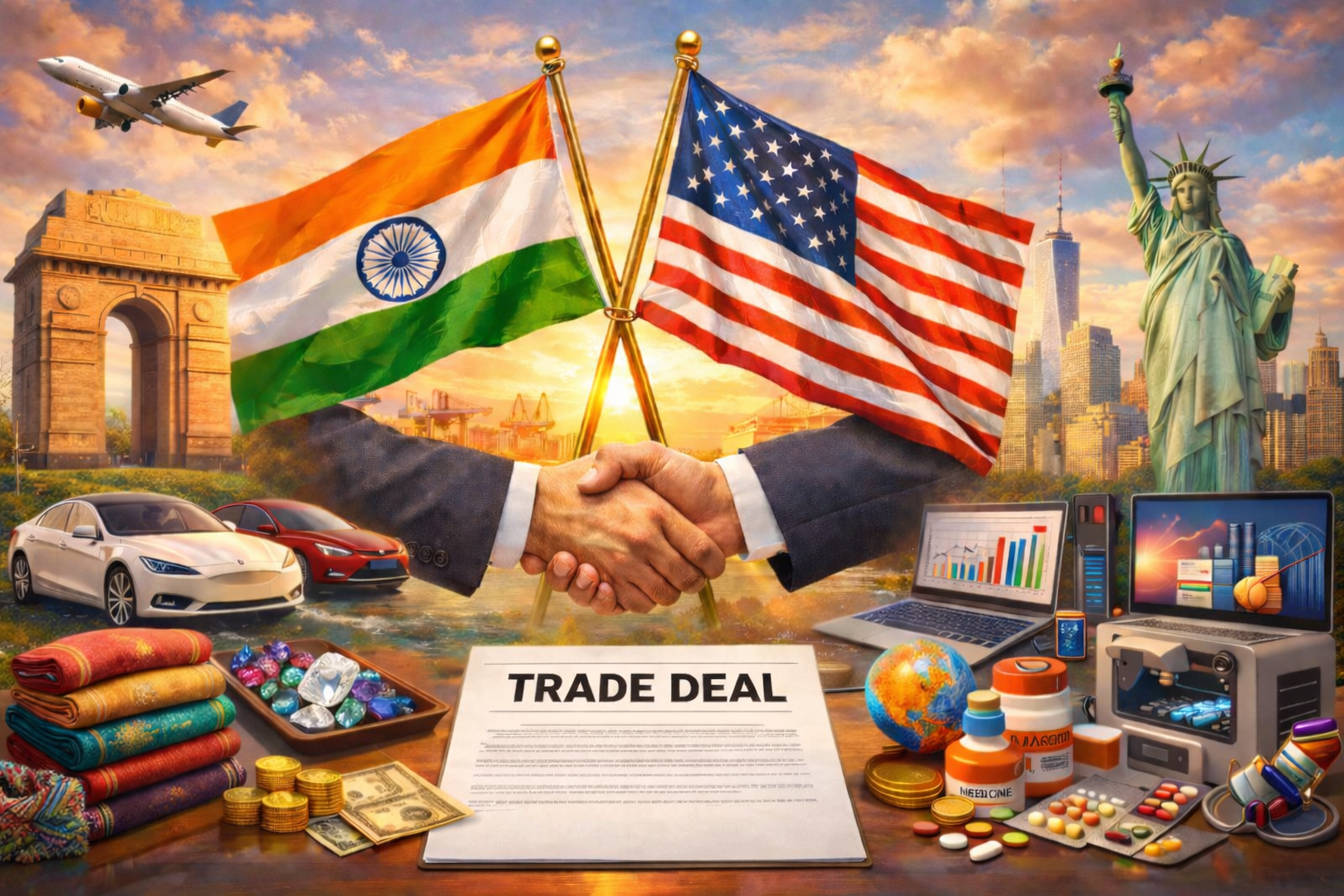
At its core, the agreement signals a mutual commitment to fostering a more robust and equitable trade environment. For India, the reduced tariff burden on its exports to the US, a market estimated at a staggering $30 trillion, opens up unprecedented opportunities for its burgeoning industries. This could provide a much-needed impetus to sectors ranging from textiles and pharmaceuticals to IT services and light manufacturing, allowing Indian businesses to compete more effectively and scale their global footprint. The promise of increased market access is a powerful incentive for domestic growth and job creation.
However, the pact is far from a one-sided affair. India, in turn, has committed to significant purchases of US energy and defense products. This aspect underscores the strategic dimension of the trade relationship, moving beyond purely commercial interests to encompass shared security concerns and energy independence goals. Such commitments not only provide a boost to American industries but also solidify India's position as a key strategic partner for the US in a complex geopolitical landscape. This reciprocal engagement highlights a growing trust and interdependence between the two democracies.
Beyond the immediate exchange of goods and services, the framework also addresses critical contemporary trade challenges. The focus on reducing non-tariff barriers, often more insidious and difficult to navigate than direct tariffs, is particularly noteworthy. These barriers, which can include complex regulations, differing standards, and bureaucratic hurdles, frequently stifle trade even when tariffs are low. By tackling these issues, both nations aim to streamline processes and create a more predictable and transparent trading environment. Furthermore, the emphasis on promoting digital trade acknowledges the irreversible shift towards a digitally-driven global economy, laying groundwork for future cooperation in areas like data governance and e-commerce.
This interim agreement, while not a comprehensive free trade agreement, sets a crucial precedent and builds momentum for deeper integration. It reflects a pragmatic approach to trade diplomacy, focusing on achievable gains while laying the groundwork for future, more ambitious accords. In an era marked by supply chain disruptions and geopolitical realignments, strengthening economic ties between two of the world's largest democracies offers a powerful counter-narrative, promoting stability and growth through cooperation rather than confrontation. The coming months will reveal the full impact of these changes, but the initial framework undeniably heralds a new, more integrated chapter in US-India trade relations.